| Msgr. Patrick S. Brennan |
|
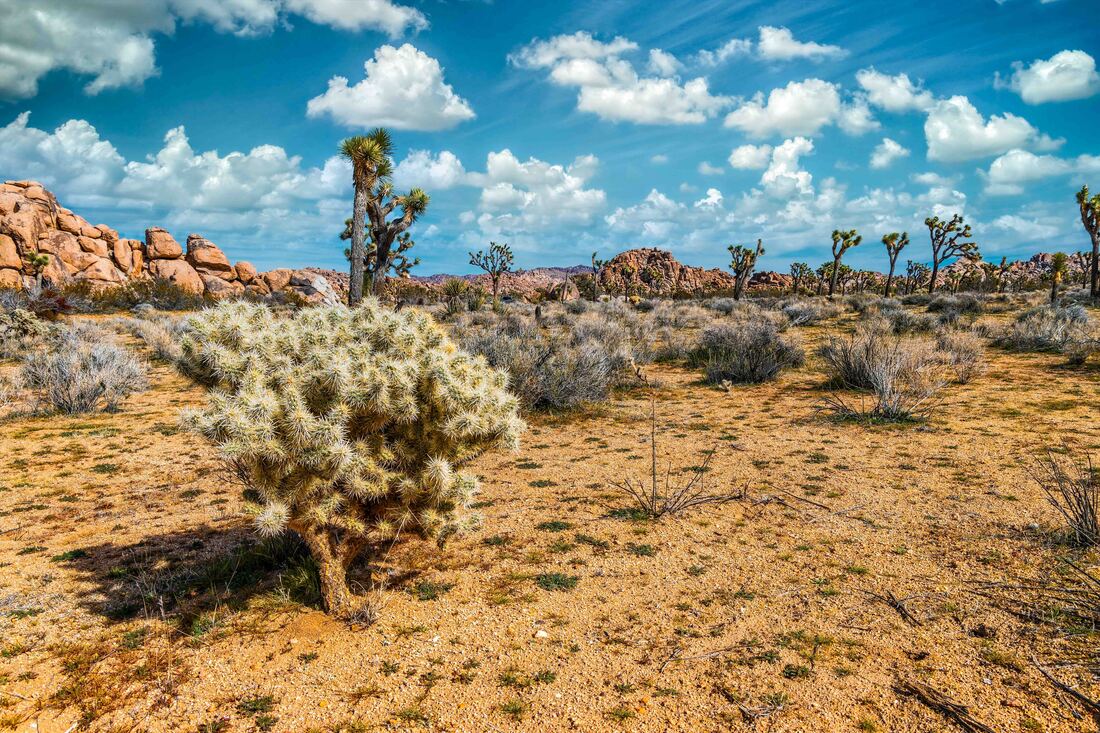
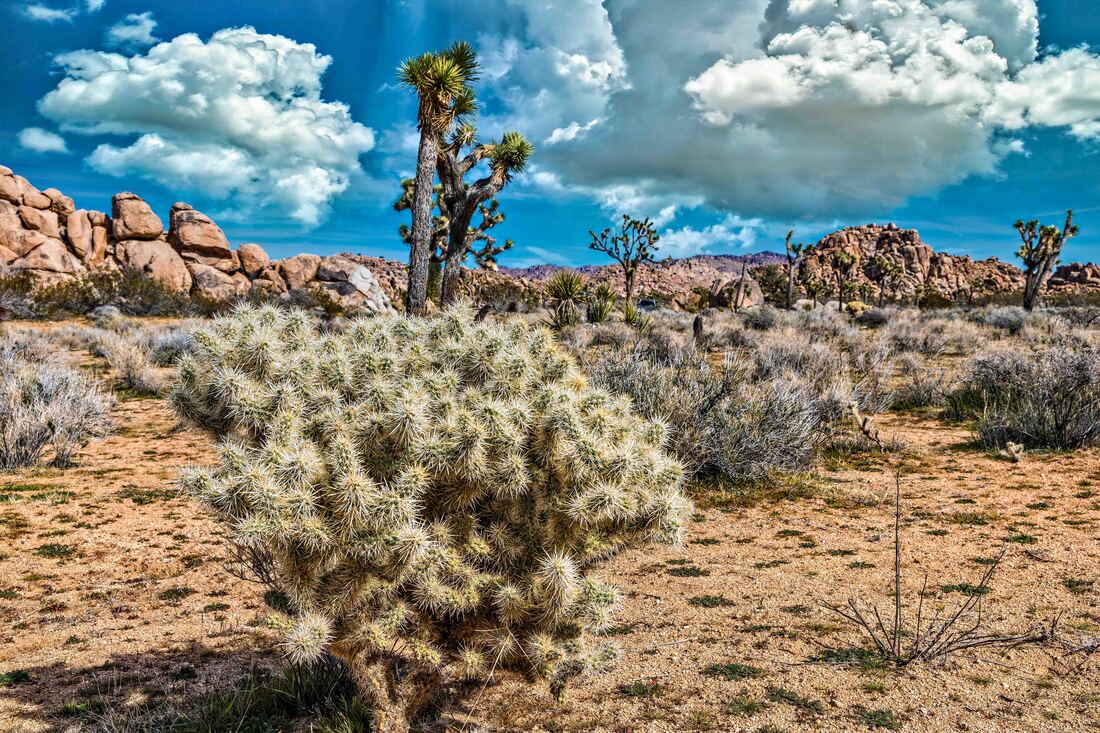
Joshua Tree National Park (at 795,156 acres, slightly larger than the state of Rhode Island) is located in southeastern California, within the Mojave Desert. The park is unique because it sits at an ecological intersection, encompassing both the higher, cooler Mojave Desert (western side) and the lower, hotter Colorado Desert, (eastern side).
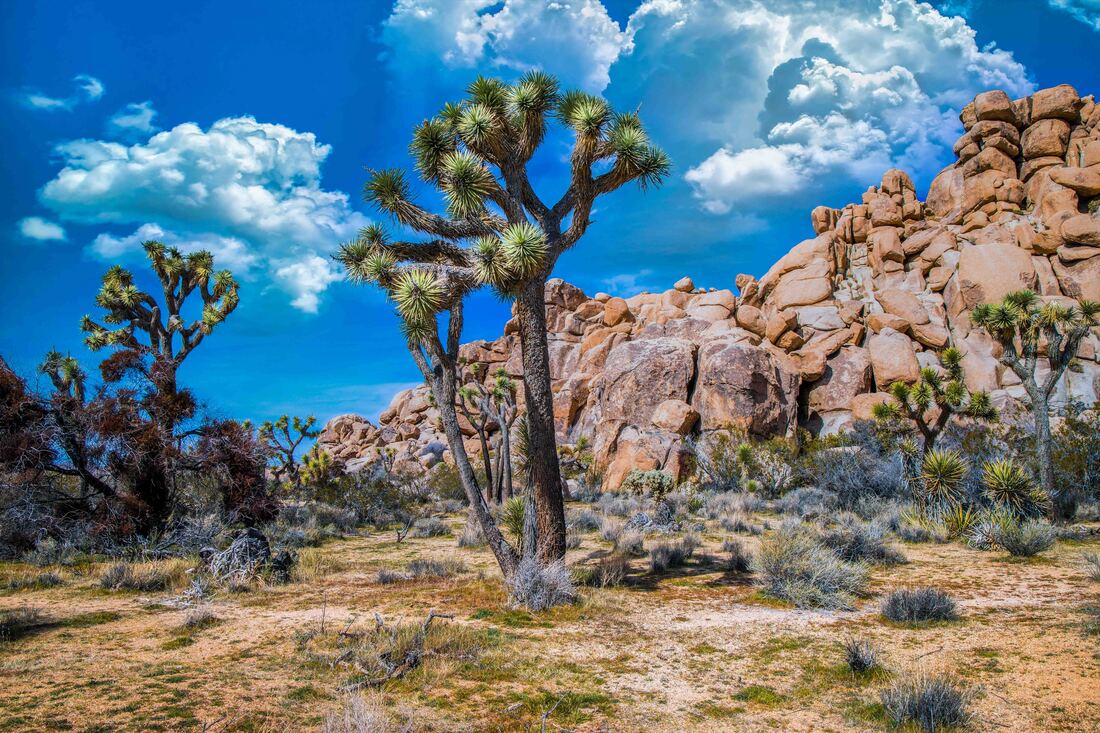
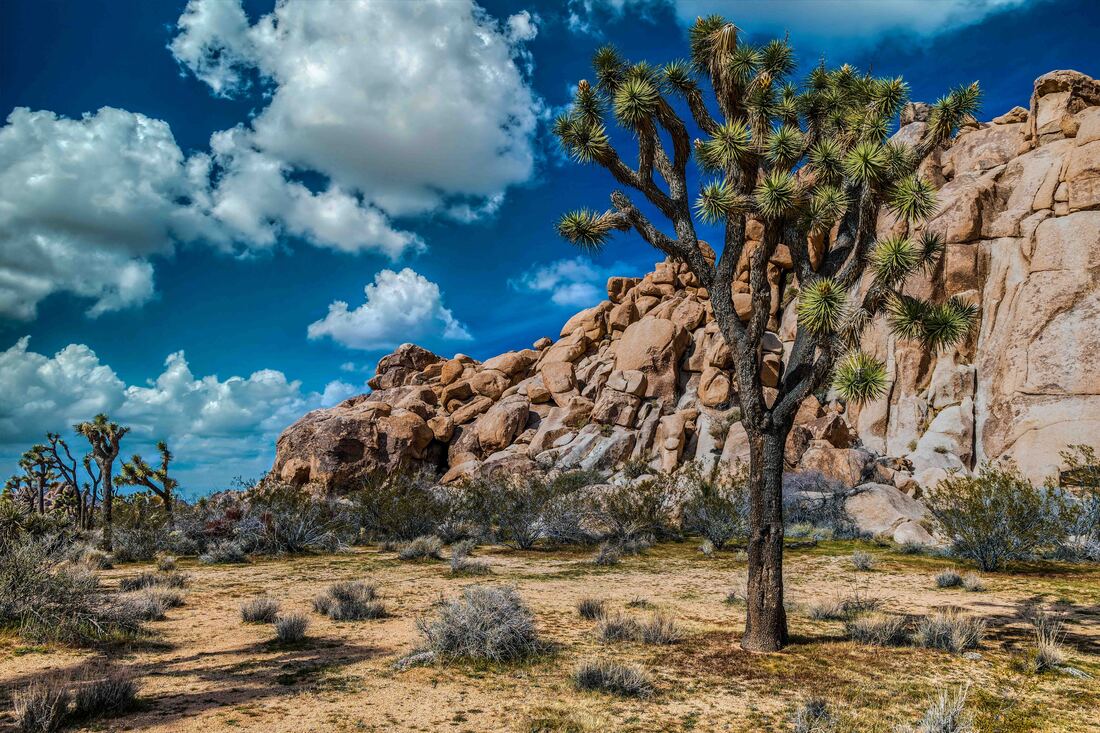
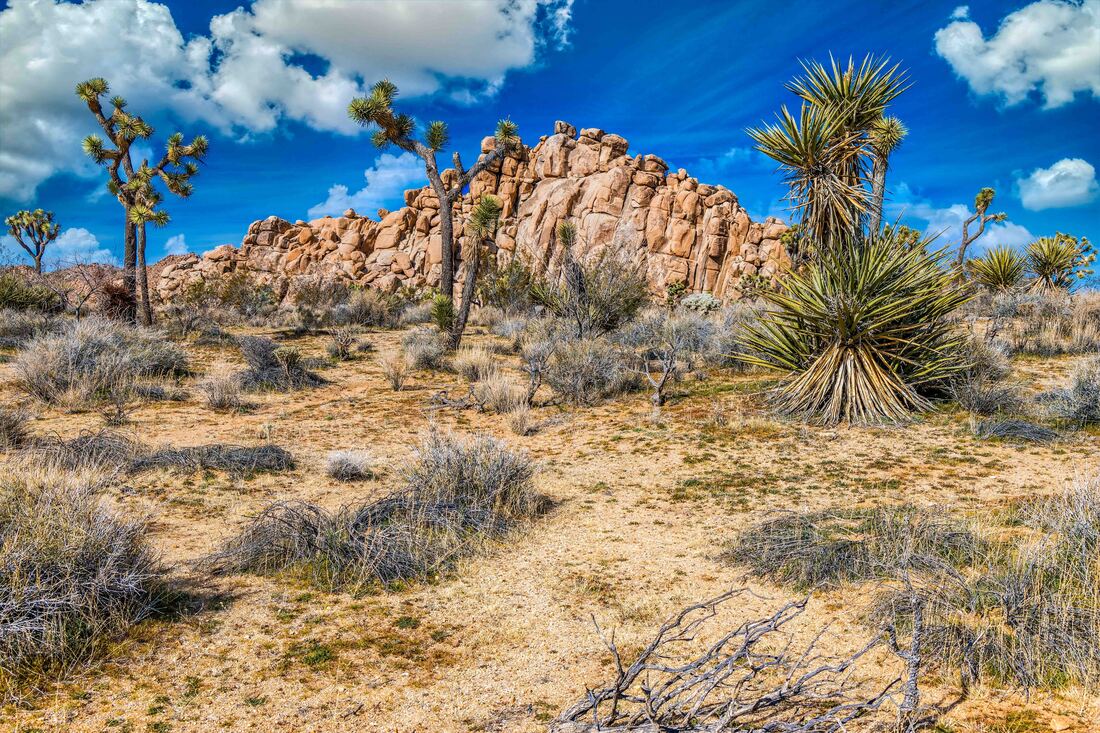
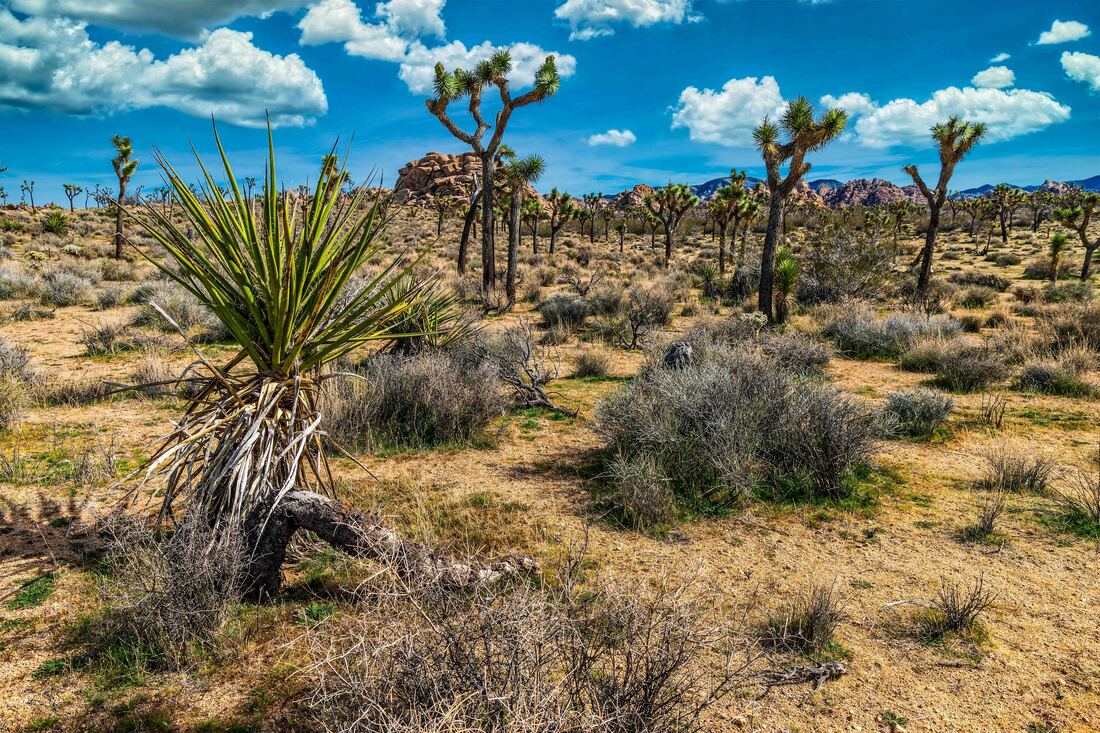
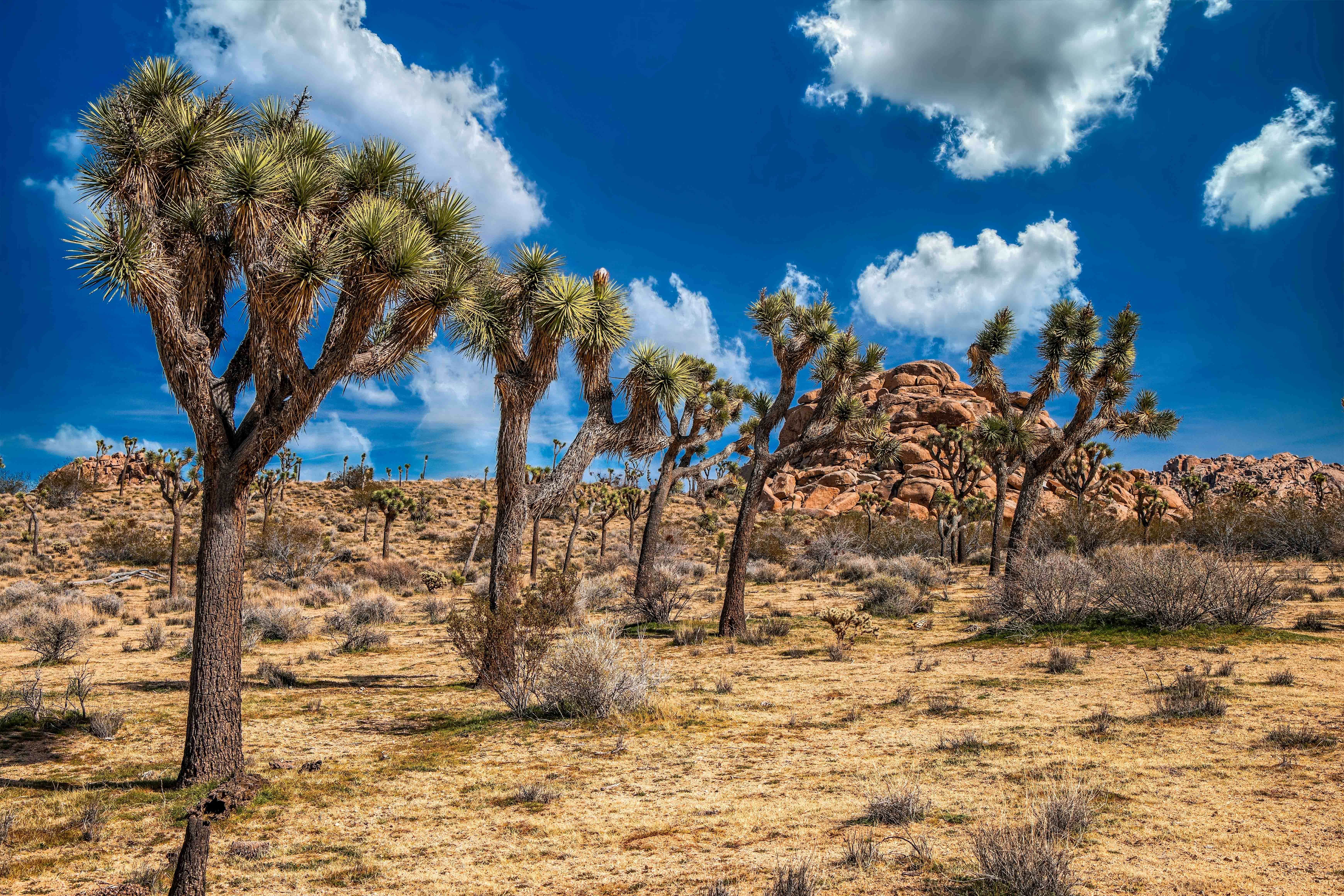
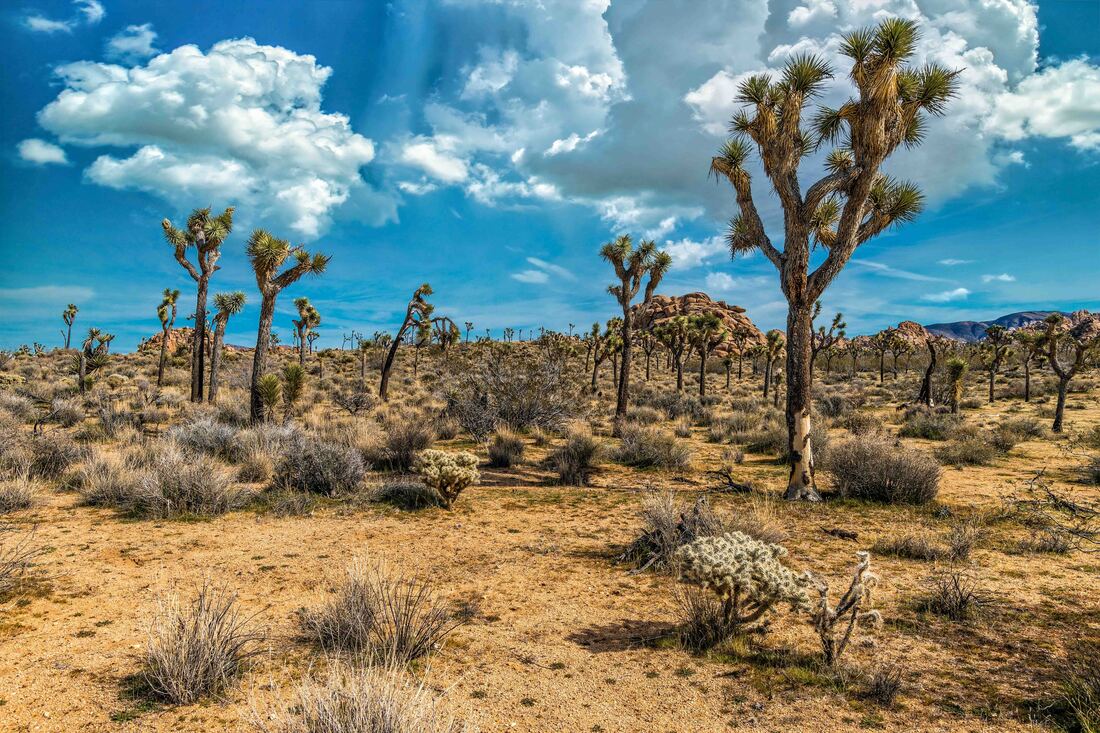
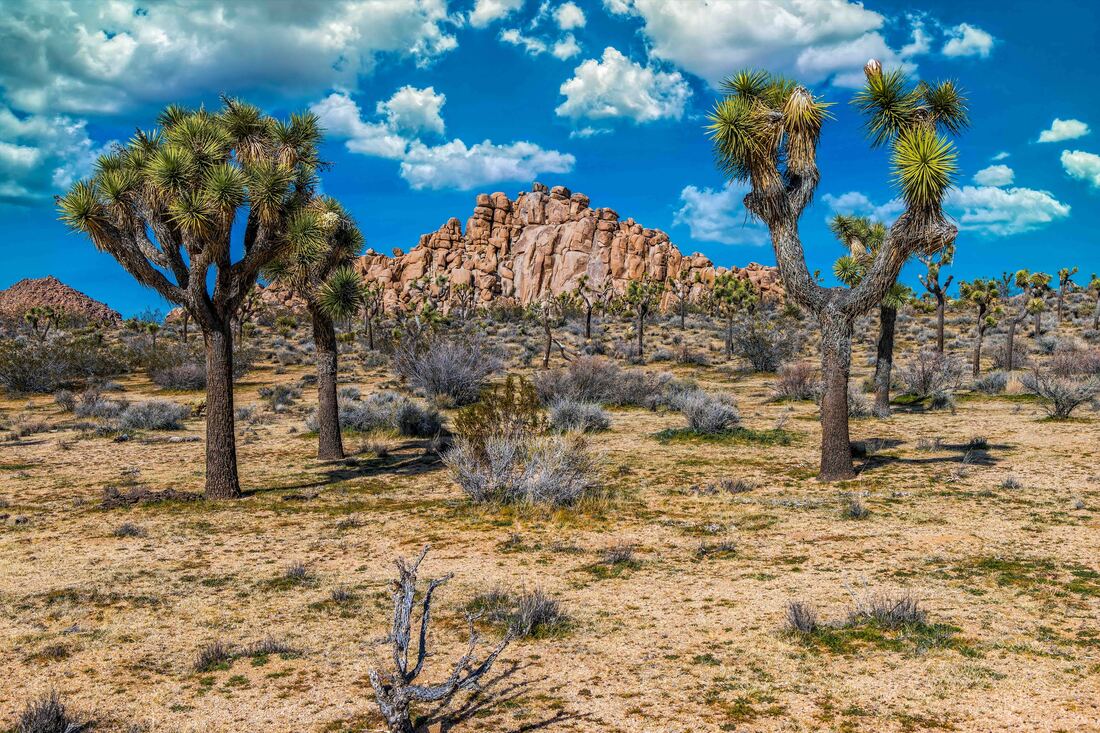
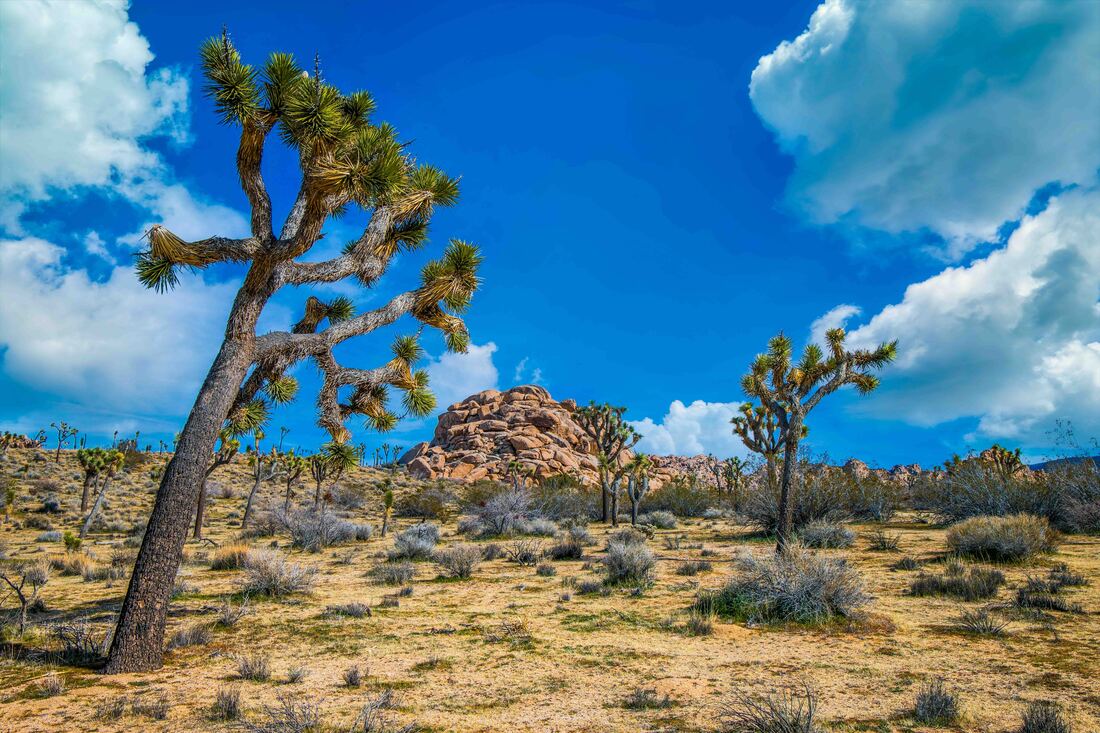
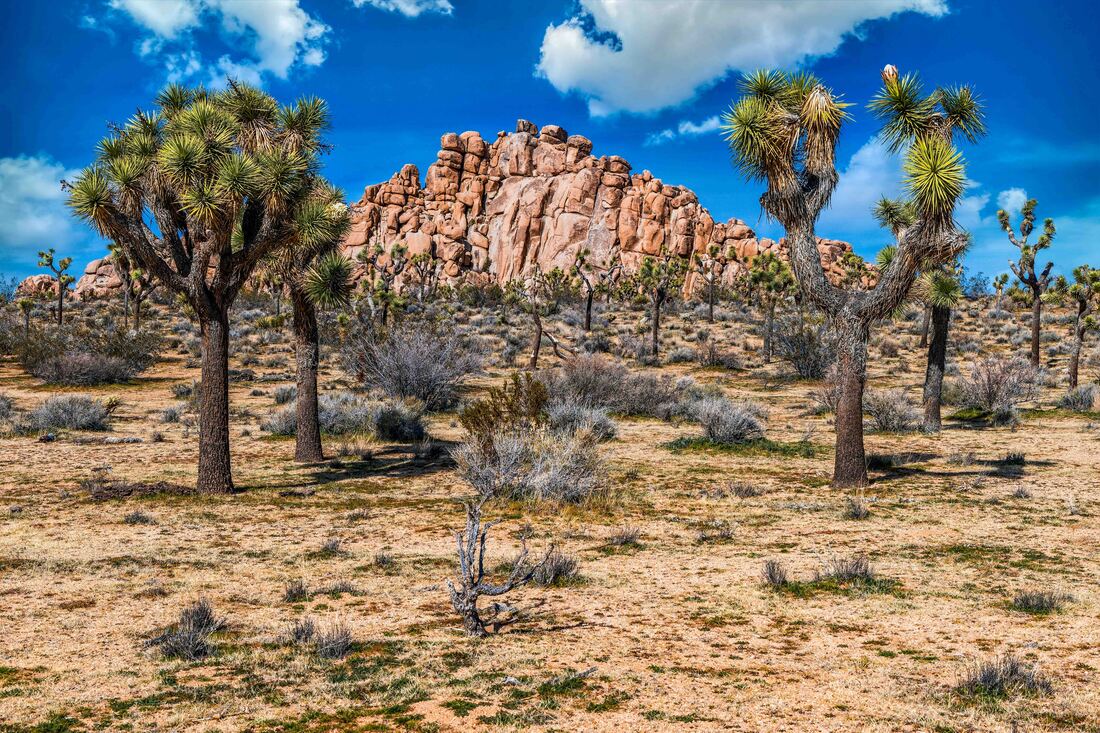
The park is named after the Joshua Tree found in the park and the surrounding area. Joshua Trees are native to the Mojave Desert, but they are not exclusive to Joshua Tree National Park. Still, the park includes an estimated 870,000 trees. The lifespan of these trees is around 150 years, though some may live over 300 years.
Though the park was first made a National Monument by FDR 1936, it became a National Park in 1994, under President Bill Clinton.
Apart from the trees, the park also includes beautiful rock formations, the oldest being Pinto Gneis at 1.7 billion years old. Part of the fascination of the park lies in the fact that the Joshua Tree stands as a symbol of survival, resilience, and the beauty borne through perseverance. In the quiet wind of the desert, one can almost hear the trees speaking to the visitor.